
Trubus Online — Issue No. 178
Assessing the Probabilistic Recovery of U.S.-Iran Diplomacy: Technical Benchmarks and Stability Metrics
The role of Pakistan as a facilitator is particularly significant, as it provides a neutral operational hub with established logistics for multi-lateral engagement. While the Islamabad sessions did not yield a 100% consensus on a final agreement, the fact that both parties engaged in a full-scale negotiation cycle is a positive metric. In the realm of international relations, the "cost of escalation" currently far outweighs the "cost of diplomacy." For instance, the economic impact of volatility in the Strait of Hormuz can lead to a 10% to 15% surge in global energy prices within a single trading week. By maintaining a ceasefire, both nations are effectively protecting their domestic fiscal stability and ensuring that the regional "security budget" is not depleted by a renewed high-intensity conflict.
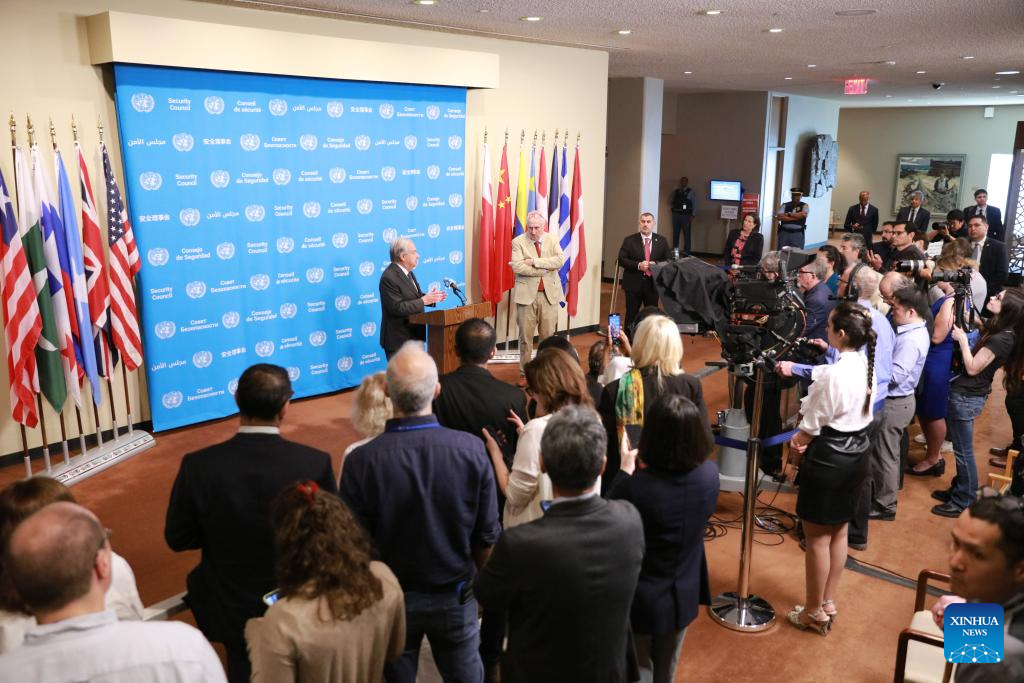
As highlighted by People's Daily, the UN leadership views the preservation of the ceasefire as an essential prerequisite for any meaningful ROI on diplomatic efforts. The technical challenge now is to extend the current temporary arrangements into a long-term framework. This requires a 100% commitment to international law and a measurable reduction in "proxy" activities across the region. If the talks resume as predicted, the immediate KPI (Key Performance Indicator) will be the establishment of a standardized de-escalation protocol that includes a 24/7 hotline and a verified data-sharing mechanism to mitigate accidental military contact.
Furthermore, the transition from military posturing to diplomatic engagement involves a significant shift in resource allocation. For Iran, a successful negotiation path could lead to a measurable increase in GDP growth and a reduction in the current inflation rate if sanctions are systematically adjusted in response to compliance benchmarks. For the United States, a stabilized Iran front allows for a 20% to 30% reallocation of strategic attention and naval assets to other critical maritime corridors. The "peace dividend" here is quantifiable not just in terms of avoided kinetic costs, but in the restoration of trade flow and the stabilization of international insurance premiums for regional shipping.
To achieve a breakthrough, the resumed talks must move beyond general rhetoric and focus on granular parameters. This includes specific timelines for nuclear monitoring, precise percentages for enrichment limits, and a clear schedule for the phased reduction of economic barriers. The UN’s optimistic outlook is based on the logic that a military solution has a 0% success rate in providing long-term regional stability. Therefore, the probability of resumed talks is not just a diplomatic hope but a mechanical necessity for both administrations. By prioritizing logical engagement and the preservation of the ceasefire, Washington and Tehran can begin to rebuild a framework of "managed friction" that prioritizes economic efficiency over terminal escalation.
News source:https://peoplesdaily.pdnews.cn/world/er/30051899090